
15 Essential Technologies Enabling eVTOL Aircraft
The core systems making safe and scalable urban air mobility possible

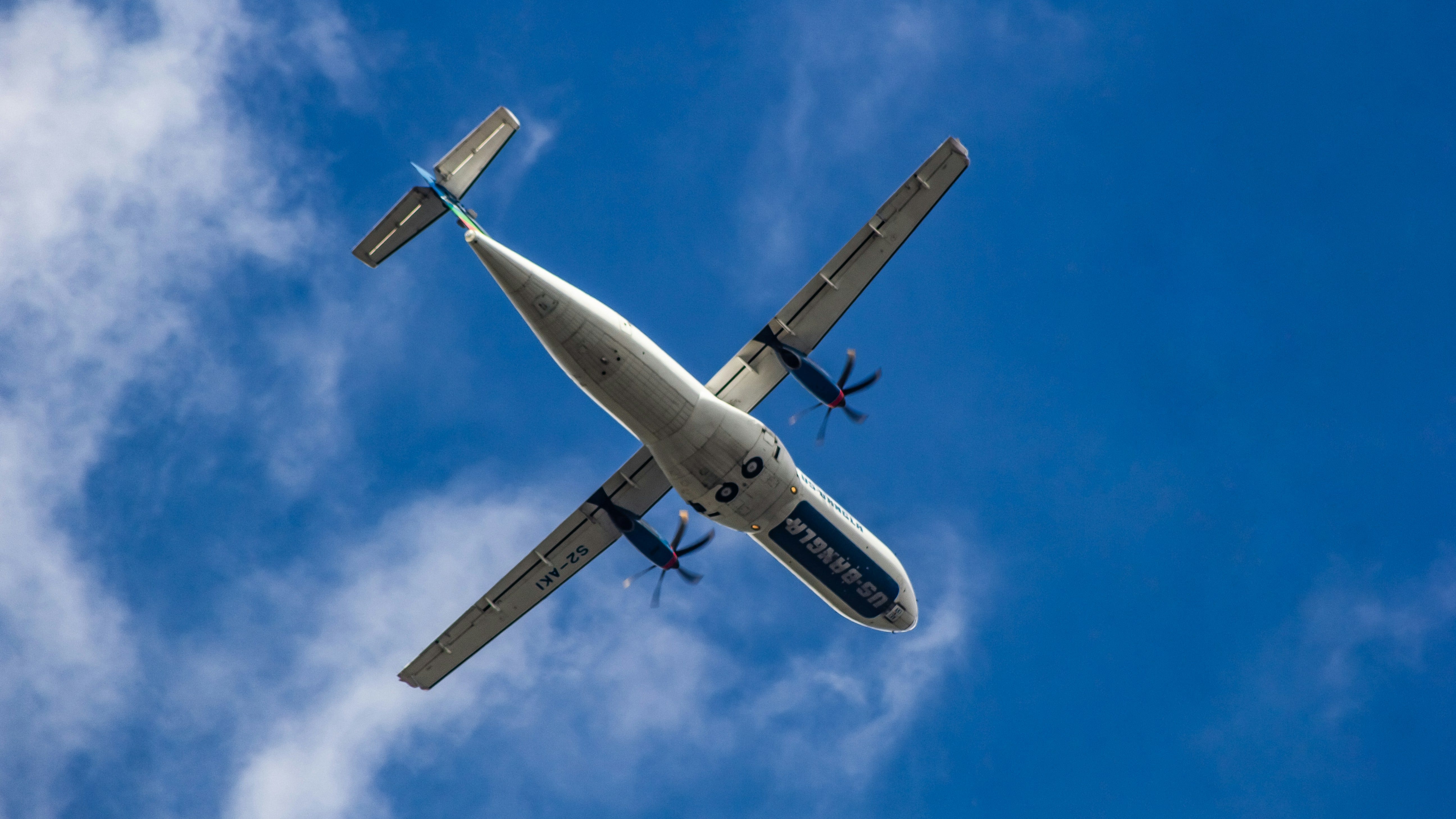
When people talk about the future of urban air mobility, eVTOL aircraft, electric vertical takeoff and landing vehicles, are usually at the center of the conversation. From my perspective, what makes eVTOLs truly interesting isn’t just their vertical flight capability, but the complex ecosystem of technologies working together behind the scenes.
Unlike conventional aircraft, eVTOLs depend on tight integration between propulsion, energy storage, avionics, software, and safety systems. If even one of these technologies falls short, safe urban flight becomes unrealistic.
1. Electric Propulsion Systems
At the core of every eVTOL is electric propulsion. Instead of burning fuel, these aircraft rely on electric motors powered by onboard energy storage.
Compared to traditional propulsion, electric systems offer:
Higher efficiency
Fewer moving parts
Lower mechanical wear
This simplicity improves reliability and reduces maintenance demands, both critical for frequent urban operations.
2. Distributed Propulsion Architecture
Rather than using a single large engine, most eVTOL designs rely on distributed propulsion, meaning multiple smaller motors placed across the airframe.
This approach:
Improves control authority
Enhances stability during hover and transition
Allows continued flight even if one motor fails
From an engineering standpoint, distributed thrust is a major contributor to eVTOL safety margins.
3. High-Energy-Density Battery Technology
Battery technology defines how far and how efficiently an eVTOL can fly. Energy density directly impacts range, payload, and mission flexibility.
Modern eVTOL designs prioritize batteries that deliver:
High energy per unit weight
Stable discharge characteristics
Long cycle life
Without advances in battery chemistry, urban air mobility would remain theoretical.
4. Battery Thermal Management Systems
High power demand generates heat, especially during vertical takeoff and landing. Thermal management systems ensure batteries stay within safe operating limits.
These systems:
Regulate temperature during peak loads
Prevent thermal runaway
Preserve battery performance over time
Effective thermal control is as much a safety requirement as it is a performance one.
5. Power Electronics and Motor Controllers
Between batteries and motors sit power electronics. These systems convert, regulate, and distribute electrical energy precisely.
Their role includes:
Managing voltage and current flow
Synchronizing motor response
Improving overall efficiency
Inconsistent power delivery can destabilize flight, which makes these components mission-critical.
6. Lightweight Composite Airframes
To offset battery weight, eVTOLs rely heavily on lightweight composite materials.
These materials offer:
High strength-to-weight ratios
Resistance to fatigue and corrosion
Design flexibility for aerodynamic optimization
Balancing structural integrity with manufacturability remains a central challenge.
7. Fly-By-Wire Flight Control Systems
eVTOL aircraft use fly-by-wire systems, replacing mechanical linkages with electronic signals.
This enables:
Precise control of multiple rotors
Built-in redundancy
Software-based flight envelope protection
As one aerospace engineer once said, “Fly-by-wire doesn’t remove control—it refines it.”
8. Autonomous Flight and Decision Support Systems
Given the complexity of eVTOL operations, automation plays a major role.
Autonomous and decision-support systems:
Stabilize flight during hover and transition
Assist with navigation and collision avoidance
Reduce pilot workload or enable remote operation
These systems are designed to support humans, not replace them.
9. Redundant Safety and Fail-Safe Systems
Redundancy is non-negotiable in aviation, and eVTOLs are no exception.
Key areas of redundancy include:
Propulsion units
Power distribution
Flight control computers
The goal is clear: no single failure should result in loss of control.
10. Advanced Avionics and Sensor Integration
eVTOL aircraft rely on integrated avionics that combine data from multiple sensors into a unified picture.
These systems merge:
Navigation and positioning data
Environmental awareness inputs
Aircraft health monitoring
Strong integration improves situational awareness and system reliability, especially in dense urban airspace.
11. Noise Reduction and Acoustic Management
Noise is one of the biggest barriers to public acceptance. eVTOL developers invest heavily in acoustic management technologies.
These include:
Optimized rotor shapes
Variable-speed propulsion
Active noise mitigation strategies
Reducing perceived noise is as important as meeting regulatory limits.
12. Thermal and Environmental Protection Systems
Urban environments expose aircraft to rain, dust, debris, and temperature variation. Environmental protection systems shield sensitive components.
They ensure:
Consistent performance in all weather
Protection of electronics and propulsion units
Long-term reliability
This is where careful component selection and assembly practices matter. Suppliers such as West Coast Aerospace Inc have historically supported aerospace programs with components designed to withstand demanding operational environments, reinforcing system durability without compromising performance.
13. Structural Health Monitoring Technologies
Modern eVTOLs increasingly include structural health monitoring sensors embedded in the airframe.
These sensors:
Detect fatigue and stress accumulation
Identify early signs of damage
Support predictive maintenance
This data-driven approach improves safety and reduces unexpected downtime.
14. Ground Infrastructure and Charging Systems
eVTOL aircraft cannot operate without supporting infrastructure.
Key elements include:
Vertiports designed for urban footprints
High-speed charging systems
Integration with city power grids
Infrastructure readiness will heavily influence how quickly eVTOL services scale.
15. Certification, Regulatory, and Airspace Integration Technologies
Technology alone doesn’t enable flight, certification and airspace integration systems.
These technologies support:
Compliance with aviation authority requirements
Secure communication with air traffic systems
Safe integration into controlled airspace
Guidance from organizations like the FAA’s Advanced Air Mobility framework helps define how these aircraft can operate safely alongside traditional aviation.
Conclusion
From propulsion and batteries to avionics and certification systems, eVTOL aircraft exist only because multiple advanced technologies work together seamlessly. In my view, no single breakthrough defines urban air mobility, it’s the integration of reliable, redundant, and well-tested systems that makes it possible.
As these technologies mature, eVTOL aircraft move closer to becoming a practical part of future transportation networks, grounded not in hype, but in engineering discipline and aviation safety principles.